


Stop saying we can’t vote our way out of this.
I get the sentiment: a retort to a tyrannical president and a fascist administration that don’t abide by the law. It sounds like something someone planning a revolution (against a regime with nuclear weapons) would say.
Or worse, it sounds like someone who has given up.
And that’s exactly how this administration wants you to feel: that voting won’t matter, or has become too confusing. Might as well sit this one out.
Make no mistake: our way out of the current destruction of our democratic republic is through collective action by we, the people. And voting is our most effective collective action.
And though a single election is unlikely to cure all of our problems, this year’s midterms are a generational opportunity to thwart this existential attack on our democracy, even if the results aren’t the “blue tsunami” many of us are hoping for.
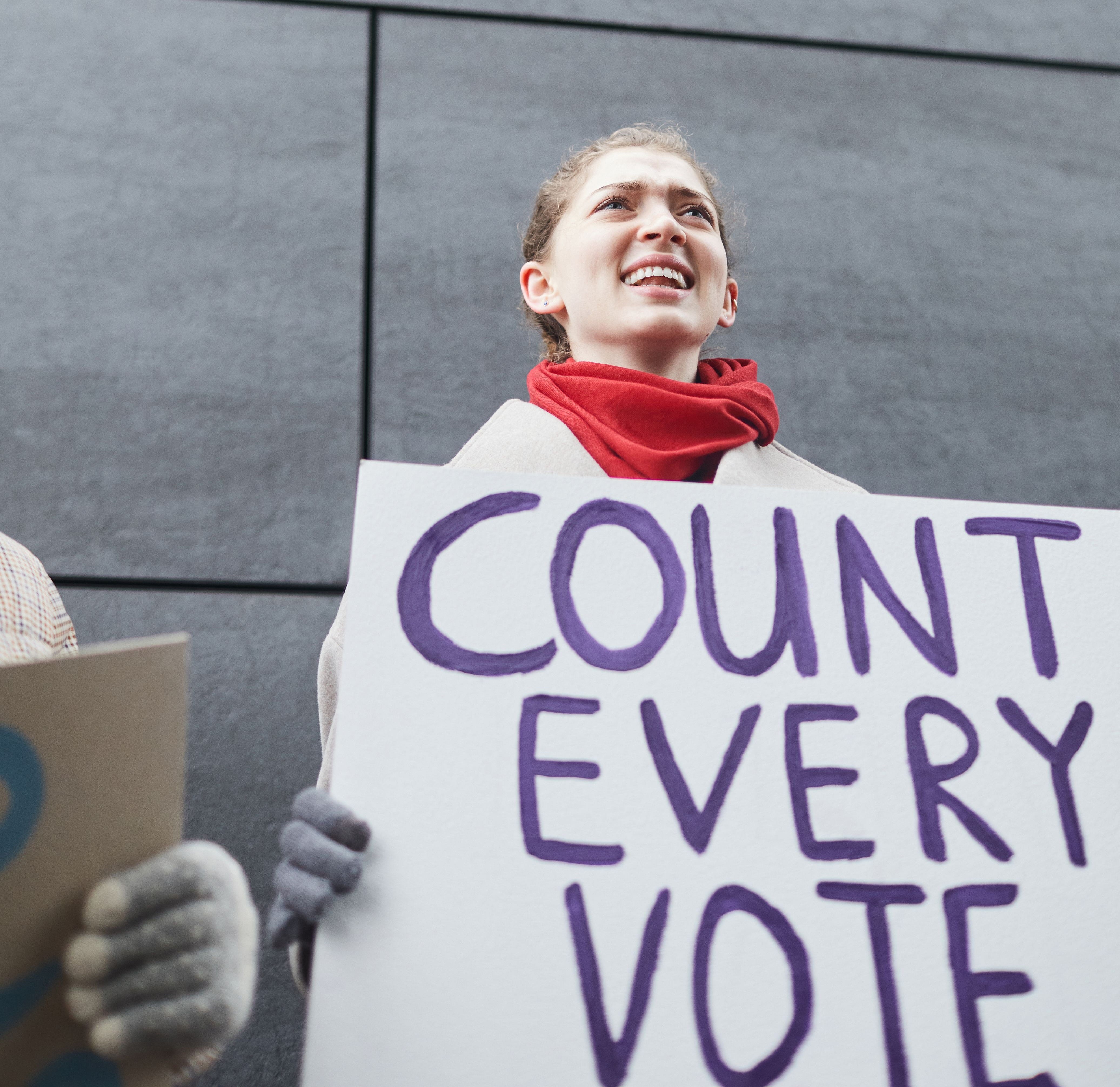
No political party will save us. History teaches that we must save ourselves through collective action. We are being tested in our time to uphold that history for future generations.
Keep that in mind. Then check your registration status at vote.org HERE.
And VOTE early.
The recent progress of Collective Action
In March, the President signed an executive order on elections directing the Postal Service to take control of how mail ballots move. The order required states to hand USPS lists of every voter eligible to vote by mail sixty days before Election Day, and instructed the Postal Service not to deliver any ballot that fell outside its requirements, which would effectively cancel that vote. The administration said the rule was about standardizing election mail and stopping illegal voting by noncitizens, a problem dozens of studies and audits have shown DOES NOT EXIST IN ANY MEANINGFUL WAY.
Then people went to work.
State officials sued. Voting rights organizations sued. In early September, a Postal Service whistleblower came forward and described the new system as secretive, rushed, chaotic, and fundamentally flawed, warning the agency had never properly tested it and that it could block millions of Americans. A federal judge in Boston issued the first injunction, finding that implementing the rule less than seventy days out threatened to disenfranchise millions and that the record held no evidence of fraudulent mail voting to justify the rush.
A three-judge First Circuit panel kept the block in place, and then Judge Carl Nichols, a Trump nominee, ruled that USPS has no authority to refuse delivery of ballots in states that don’t meet its new requirements.
On September 14, the Supreme Court refused to let the restrictions take effect, saying the administration was unlikely to succeed on the merits. Justice Kavanaugh wrote separately that even if the rule might fall inside the Postal Service’s authority, applying it this year would violate the Administrative Procedure Act, because state and local officials do not have enough time to implement it before the election.
The result: No ballots canceled. Not one state forced into an impossible deadline.
North Carolina and parts of Wisconsin started mailing absentee ballots the first week of September, and those ballots are moving right now because a whistleblower talked, lawyers filed, judges ruled, and the pressure held.
On Friday, the President announced on Truth Social that he was banning MS NOW, CNN and Politico from the White House effective immediately, accused them of publishing fake news, and said other outlets will likely face the same. Saturday morning, Secret Service turned away an MS NOW reporter and photojournalist and confiscated their press passes at a gate outside the West Wing.
These outlets will keep reporting the truth, and they are not standing alone. The White House Correspondents’ Association, led by a Fox News reporter, called the ban a First Amendment violation and demanded the access be restored, warning that a standard used to exclude one outlet over its coverage can be applied to any outlet later. The Associated Press and The Washington Post said they stand with the targeted newsrooms. Competitors defending competitors, because a threat to the First Amendment anywhere is a threat everywhere.

Friday evening in Washington, thousands of people filled the streets of Foggy Bottom for “Hands Around the Kennedy Center,” a human chain around the building in response to his threat to close and demolish it. A man from the local arts community set up a chalkboard with the President’s name written on it hundreds of times, and people lined up to erase the names and draw hearts in their place.
That’s collective action in its most beautiful form.
The way out is through, together. The ballot is one critical step.
Action Items:
Check your registration, then help someone check theirs. Look up your state’s early voting dates and put the day on your calendar the way you’d put down a doctor’s appointment. Then find one person who has said some version of “it doesn’t matter anyway” and take them with you.
The Bookshelf
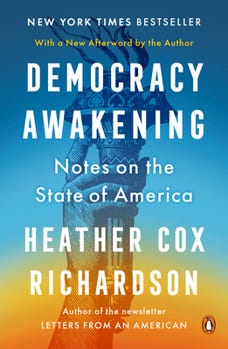
Democracy Awakening, Heather Cox Richardson
Richardson is a historian, and she built this book in three parts: how a small faction spent decades undermining American democracy, how authoritarians take hold, and how ordinary people have reclaimed the country before. The middle section reads like this year’s headlines with older dates on them.
The last section speaks to where we are now. She ends where this week ended, on the idea that the American story has always been rewritten by people who refused to accept the version they were handed.
The Recipe
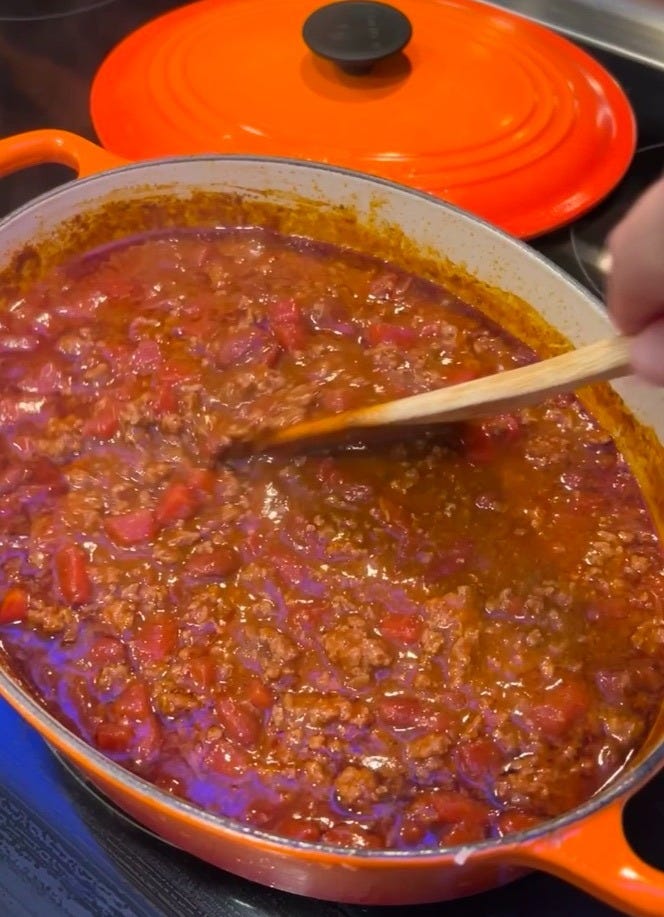
The Best Chili You Ever Had
What’s the secret to great chili? Some say you should add cocoa powder or cinnamon or coffee or even beer. But if you get back to basics, great chili comes down to ingredients that match the phenomenal flavor profile of beef + tomatoes + chili peppers.
This chili recipe has a simple sequence, is easy to make, and tastes outstanding. Try it as written first, then add your own signature touches in the future. Enjoy!
Ingredients:
1 tablespoon olive oil
1 medium yellow onion, diced
1 1/2 pounds 80-90% lean ground beef
2 tablespoons tomato paste
1 1/2 cups beef broth
1 (15 oz) can petite diced tomatoes
1 (16 oz) can red kidney beans, drained
1 (8 oz) can tomato sauce
Spice mix:
3 tablespoons chili powder
1.5 tablespoons ground cumin
2 tablespoons granulated sugar
1 tablespoon garlic powder
1 teaspoon salt
1 teaspoon ground black pepper
1/4 teaspoon ground cayenne pepper (optional)
Directions:
Over medium-high heat, add the olive oil to a large pot and heat for two minutes. Add the diced onion and sauté for 4-5 minutes or until softened and translucent, stirring occasionally.
Add the ground beef and brown it (approx. 7-8 minutes), breaking it up with a spatula (or a whisk) into small pieces as it cooks.
Add the spice mix and tomato paste. Stir until well combined.
Add the broth, diced tomatoes, drained beans, and tomato sauce. Stir well and cook until it starts to boil.
Reduce the heat to low and simmer the chili for an hour, uncovered, stirring occasionally.
Remove the pot from the heat. Let the chili rest for 5-10 minutes before serving.
Enjoy!
One for the Road
Q: Why do melons always get married in a church?
A: Because they cantaloupe.
Slade Wentworth | The Dad Briefs covers the civic, political, and quietly human stories that shape family life in America, with recipes along the way.
Hardy har har Slade. They cantaloupe. I have to make this with ground turkey 🦃 as I don’t eat beef. I’ll let you know how it turns out. My goal is to make chili that tastes like Dennison’s Chili’s gravy.
My registration is intact but no ballot yet. Fingers crossed it’s coming soon. I get it by mail but ever since Drump came back I put the sealed ballot in a locked ballot drop off at our library. 📚
Btw, Mike the Mouse Johnson doesn’t have the integrity that Mike Pense has.
May Democracy prevail on Jan 3rd!!